











DHUL HIJJAH: fasting in the first 10 days is recommended in Islam, join for accrued benefits
… starts tomorrow Wednesday, 2025
Zainab Tanimu
Kaduna, Northwest Nigeria
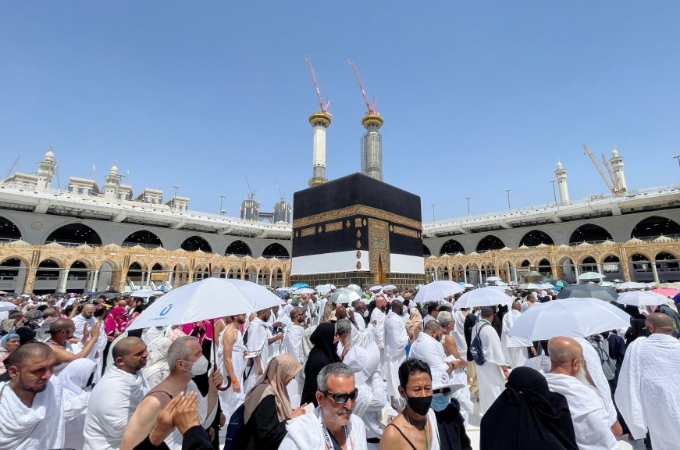
Dhul Hijjah is the 12th and final month of the Islamic calendar. It is known as the month of Hajj, as the annual pilgrimage to Makkah takes place during this time. Dhul Hijjah is also considered a sacred month, with the first 10 days being particularly virtuous. It also marks the start of Eid al-Adha, the festival of sacrifice.
Fasting during the first 10 days of Dhul Hijjah is highly recommended in Islam, as it is considered one of the most virtuous acts of worship during this blessed time.
The first 10 days of Dhul Hijjah are seen as the best days of the year for Muslims, offering a second chance to gain nearness to Allah and to have sins forgiven.
Benefits of Fasting Dhul Hijjah:
Increased Rewards:
Engaging in righteous deeds during these days, including fasting, yields significantly greater rewards than at other times of the year.
Expiation of Sins:
Fasting, especially on the Day of Arafah (9th of Dhul Hijjah), can expiate for the sins of the past and coming year.
Spiritual Purification:
Fasting helps Muslims cultivate patience, obedience, and submission to Allah, strengthening their faith and drawing them closer to God.
Enhanced Character:
Fasting, along with other righteous deeds, can help Muslims improve their character and strive for a higher status in paradise.
Physical and Emotional Benefits:
Studies show that fasting can offer physical benefits like reduced inflammation and improved metabolism, as well as emotional benefits like improved cognitive function and spiritual growth.
A Reminder of Sacrifice:
Fasting in Dhul Hijjah, particularly on the Day of Arafah, serves as a reminder of the sacrifice of Prophet Ibrahim (AS) and helps Muslims strive for a level of submission to Allah similar to his.
Note: if you are planning to perform Qurban (slaughtering an animal) for Eid al-Adha, today, May 27, 2025, is indeed the last day to cut your nails. This is a Sunnah (recommended practice) based on Islamic tradition, where individuals refrain from trimming their hair and nails from the beginning of the month of Dhul Hijjah (the month of Eid al-Adha) until they have completed their Qurban sacrifice.