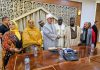













Good Neighbourliness: A Core Teaching in Islam
By Zainab Tanimu, Kaduna, Northwest Nigeria
Islam places profound importance on how believers treat the people living around them, making good neighbourliness not just a social virtue but a core expression of faith.
Rooted in the Qur’an and reinforced by the teachings of Prophet Muhammad (peace be upon him), the religion calls Muslims to show kindness, ensure safety, and uphold justice toward all neighbours — regardless of tribe, background, or religion.
Islam mandates kindness, respect, and just treatment of all neighbors, irrespective of their tribe or religion. This is a fundamental duty tied to a Muslim’s faith, a message repeatedly emphasized in the Quran and the teachings (Hadith) of the Prophet Muhammad (peace be upon him).
The Prophet (saw) said, “The best of neighbors to Allah is the one who is the best of them to his neighbor”
The Islamic teachings on neighbors
emphasize the importance of good neighborly relations.
The principle is rooted in the shared humanity of all people, as descendants of Adam and Eve.
As a sign of faith, the Prophet Muhammad (PBUH) indicated that a person whose neighbor does not feel safe from their actions is not a true believer.
Divine Command: The Quran instructs believers to be good to various people, including neighbors, specifying “neighbors who are near, neighbors who are strangers,” which includes those of different faiths.
The rights of neighbors extend to non-Muslims.
As for practical kindness, Muslims are encouraged to show kindness through actions like sharing food, visiting the sick, offering condolences, and helping in times of need.
In terms of Justice and Peace, Islam promotes living in harmony and treating all people justly, particularly those who are peaceful, regardless of their beliefs.
So, love your neighbours as you love thyself.”